

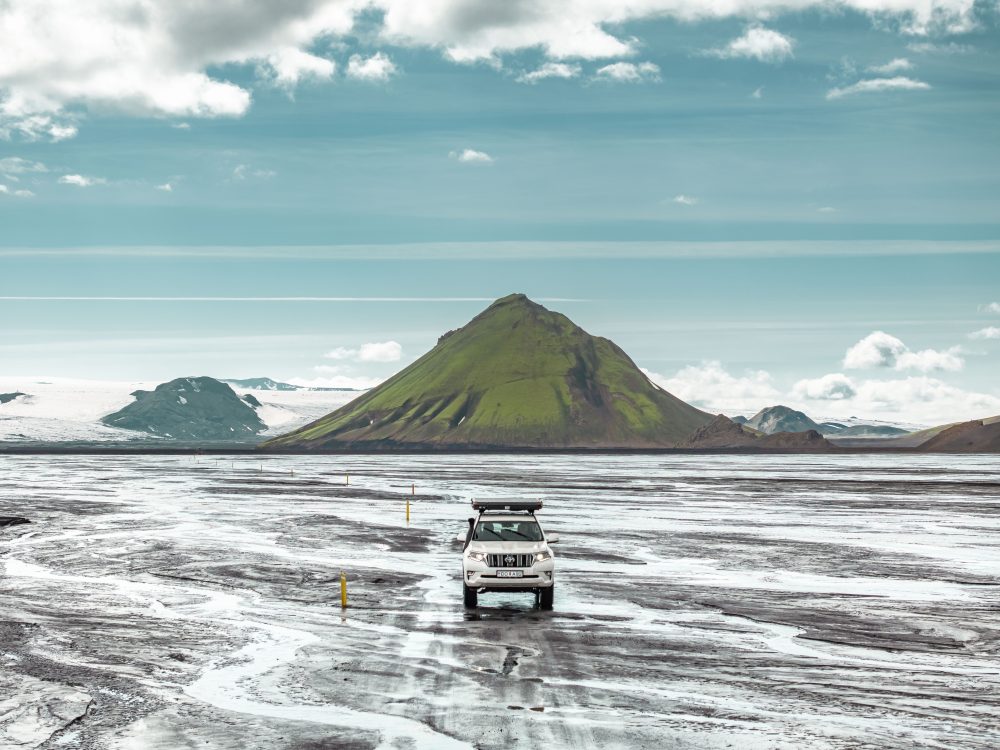
Toyota Land Cruiser with a rooftop tent at Mælifell mountain.
Let's Go To The Highlands

The Ultimate Iceland F-Road Guide 2026

We care about your experience in Iceland, so here are some local insights, guides, and safety first information we believe you can benefit from reading.

F-Road Guide


What You Need to Know Before Driving Iceland's F-Roads

Navigating the Icelandic Highlands requires more than just a 4x4; it requires the correct technical setup and local knowledge of ever-changing conditions. We at Off To Iceland have spent years documenting these F-roads to help you choose the perfect modified vehicle for a safe, unforgettable journey into the heart of Iceland.


Highland Essentials:

Navigating the interior is a technical challenge that requires proper preparation. Use the links below to skip directly to the specific advice you need, from vehicle specifications to the current laws governing mountain road access.

| Understanding F-Roads | Opening dates & Access | 33" vs. 35" Tires |

| River Crossing Masterclass | Top 5 Highlands Routes | Safety & Emergency Prep |


What exactly is an F-Road?

In Iceland, the letter 'F' stands for Fjallvegur, meaning Mountain Road. These are not standard gravel paths; they are unmaintained tracks into the raw interior. By law, Iceland F-Roads have a strict 4x4 requirement. Attempting these routes in a 2WD vehicle is illegal and dangerous. For safe Highland travel, you need a vehicle designed for high clearance and rugged terrain to handle the volcanic rocks and steep inclines.

The Golden Rules of F-Roads:
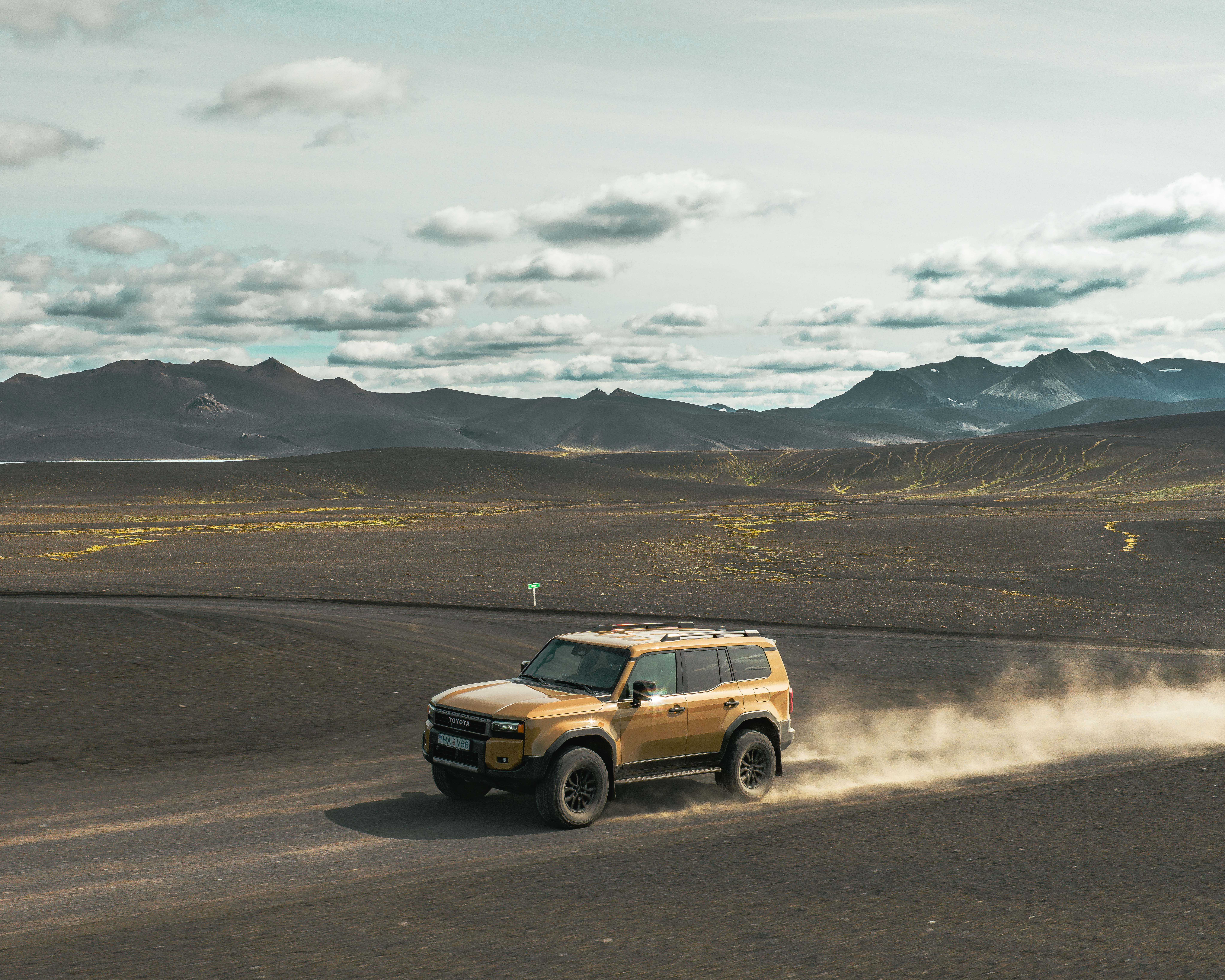
  • Legal Requirement: By law, only 4x4 vehicles are permitted on F-roads. Attempting these in a 2WD car will result in massive fines and a total loss of insurance coverage.
  • The Terrain: Expect deep ruts, loose volcanic sand, large boulders, and the most challenging element of all: unbridged river crossings.
  • Expert Insight: Just because a car is "4WD" doesn't mean it belongs here. A standard SUV might handle a light gravel path, but for the true Highlands, you need ground clearance and durability.


Modified Toyota Land Cruiser exploring the remote volcanic landscapes of the Iceland Highlands.


F-Road Opening Dates & Seasonal Access

The Icelandic Highlands are only accessible during a short summer window. F-Road opening dates for 2026 typically fall between mid-June and early July. Most routes offer seasonal access through the autumn, often remaining open until late October or early November, depending on snowfall. Always check Road.is before heading out; driving on a closed road is strictly prohibited and damages the fragile ecosystem.

Important for 2026: It is strictly illegal to drive on a road marked as 'Impassable' or 'Closed.' Doing so causes deep ruts in the thawing volcanic soil that can take decades to heal. Before you head out, always cross-reference the live maps on Road.is and check the wind and rain alerts on Vedur.is. Safety is the priority in the interior.
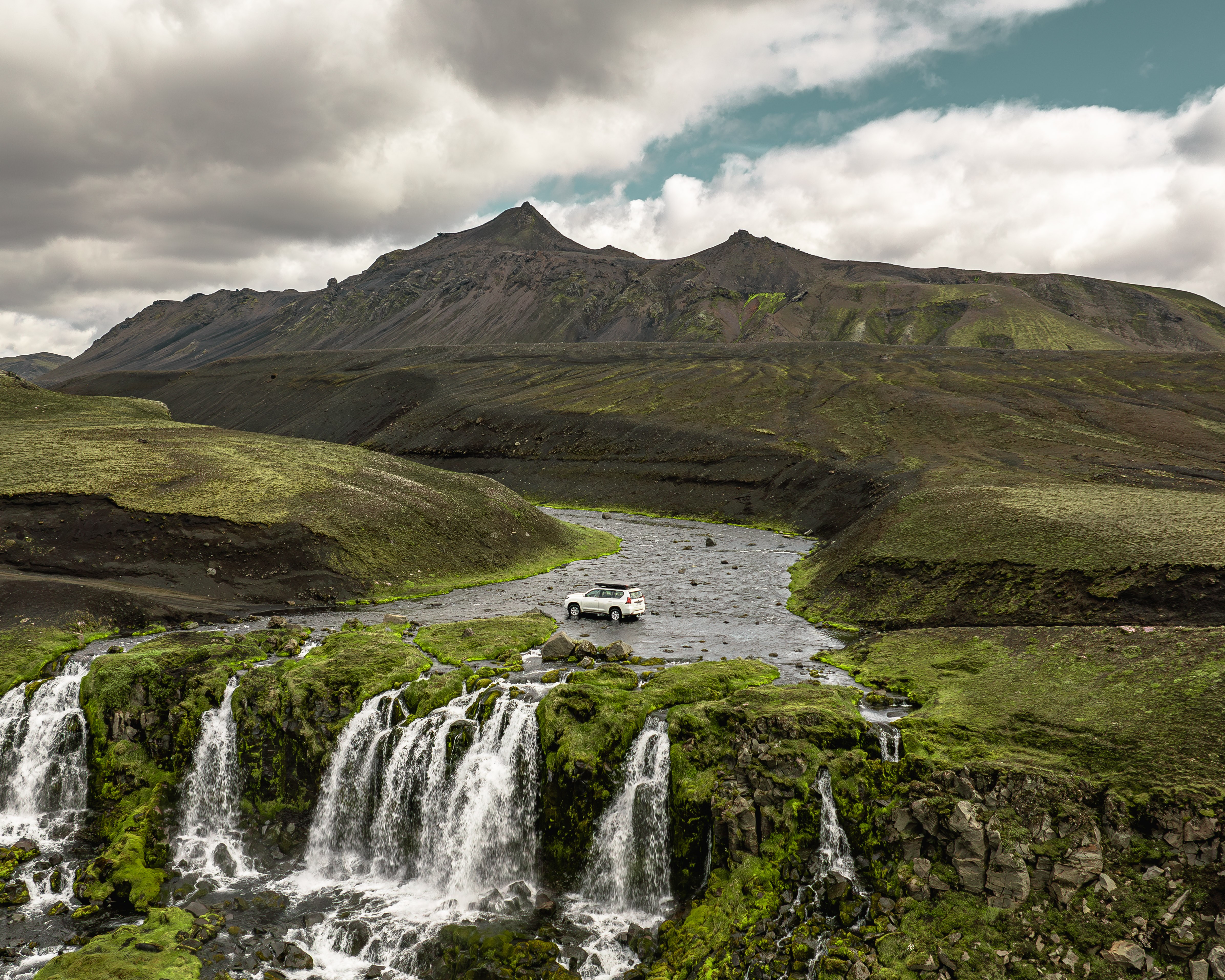
 

Toyota Land Cruiser 150 with rooftop tent performing a river crossing on an F-road in the Iceland Highlands.


Choosing Your Rig: 33" vs. 35" Tires

When choosing a modified 4x4 rental, the most significant factor is ground clearance. A standard SUV often lacks the height needed for deep ruts. Our 35-inch tires turn a regular Land Cruiser into a genuine Super Jeep, allowing you to navigate the interior with confidence. While 33" tires are great for basic tracks, the 35" setup provides the extra lift and stability required for the more technical F-roads.

  • The 33" Advantage: Perfect for 'gateway' F-roads like the north of Landmannalaugar. It offers a smooth ride on gravel with enough height for moderate water crossings.
  • The 35" Super Jeep Standard: If your itinerary includes the deep rivers of Þórsmörk (F249) or the soft volcanic sands of Askja (F88), 35-inch tires are essential. They allow for lower tire pressure (better traction) and keep your engine's air intake high above the water line.

Pro-Tip: Don't just look for '4x4' on the rental agreement. Look for a vehicle with a Snorkel and lifted suspension if you plan to cross any unbridged rivers.
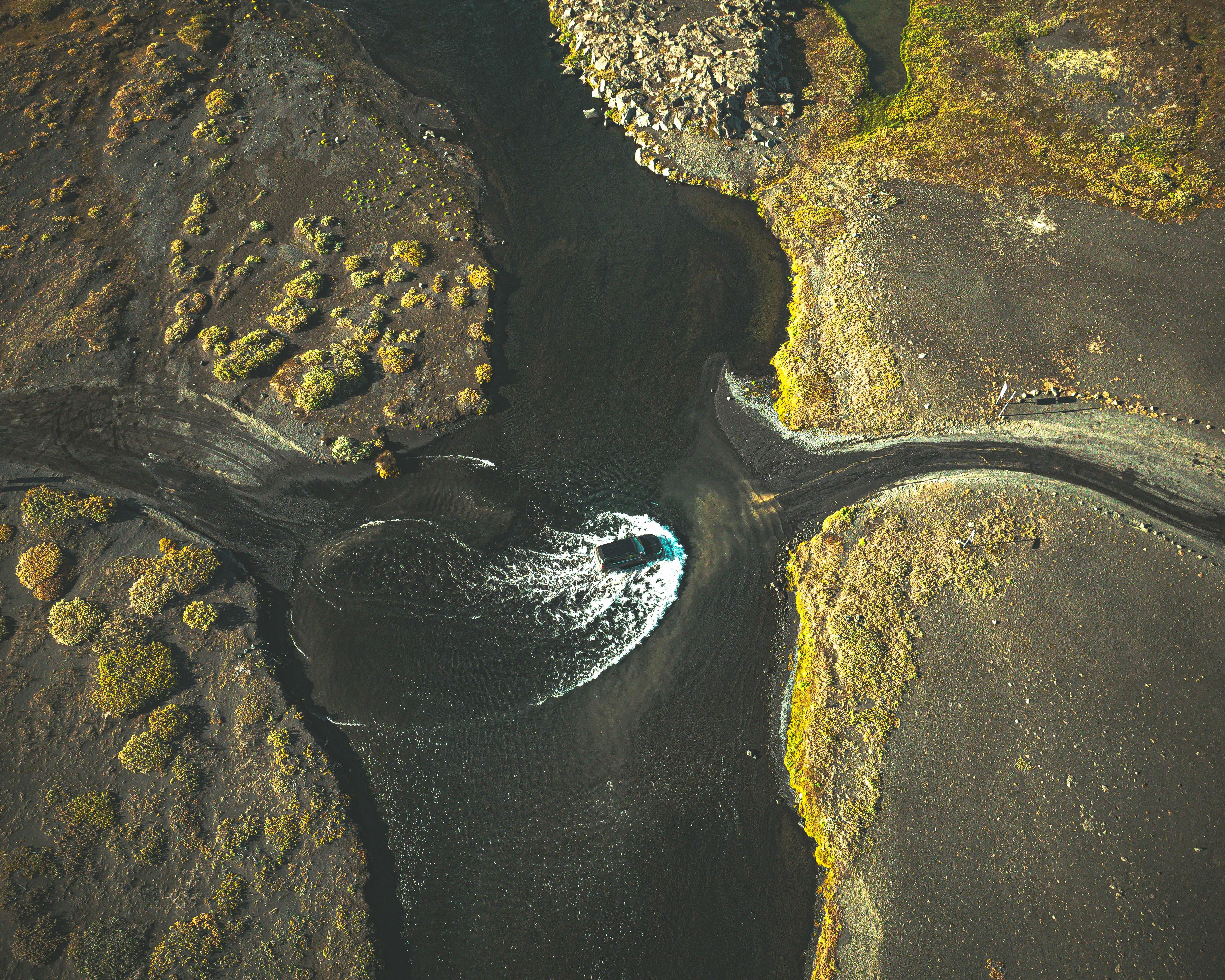
 

Aerial drone view of a Toyota Land Cruiser crossing a glacial river on an F-road in the Iceland Highlands.


The River Crossing Masterclass

River crossing safety is the most vital skill for the Highlands. Most F-roads feature unbridged rivers that can change depth in hours. When crossing glacial rivers, always engage 4L and maintain steady momentum. Our fleet features 4x4 snorkeling (air intakes) to protect the engine, but remember: no insurance covers water damage. If the current looks too strong, do not attempt it.

  1. Observe the Flow: Never be the first to cross. Watch another vehicle's line or use a wading stick to check the depth. If the water is above your knees, it is likely too deep for a standard 4x4.
  2. Find the Ford: The safest crossing point is rarely where the road enters the water. Look for the widest part of the river; this is usually where the water is shallowest, and the current is at its weakest.
  3. Engage 4L: Put your vehicle in 4WD Low Range. Enter the water at a slow, steady pace to create a small "bow wave" in front of the bumper. This pocket of air helps protect the engine bay.
  4. Never Stop: Maintain steady momentum until you reach the other side. Do not shift gears or stop in the middle of the river.
  5. Always downstream: Never drive against the current of the river. Let the river be your friend.

Safety Warning: Remember, no insurance in Iceland covers water damage to the engine. If you are in doubt, do not cross. Glacial rivers can change in minutes due to heavy rain or afternoon glacial melt.
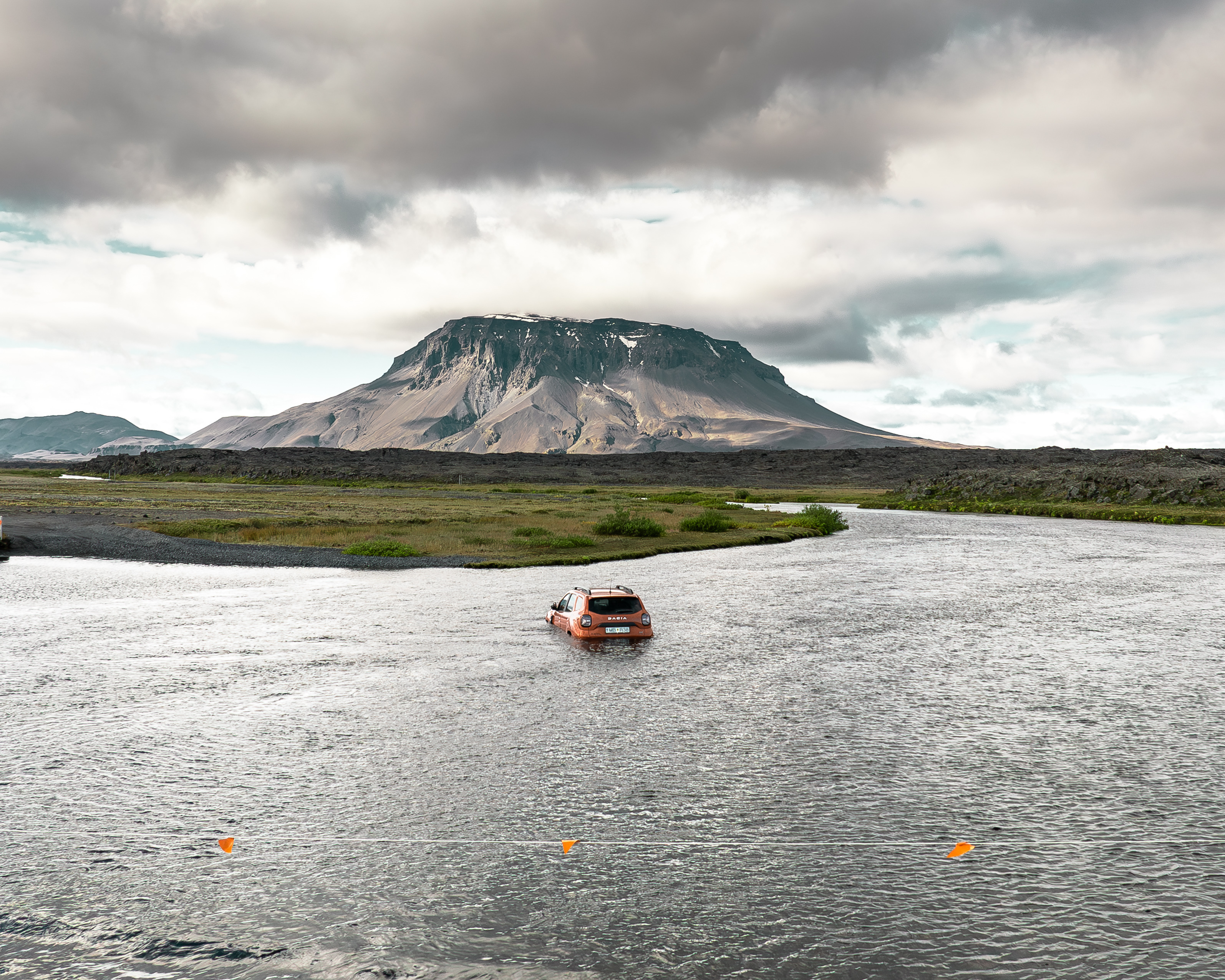
 

A Dacia Duster submerged and stuck in an Icelandic highland river after a failed crossing attempt on an F-road.


Top 5 Must-Drive F-Roads for 2026

If you have the right rig and the confidence to handle the terrain, these five routes offer the most spectacular scenery in the Icelandic interior.
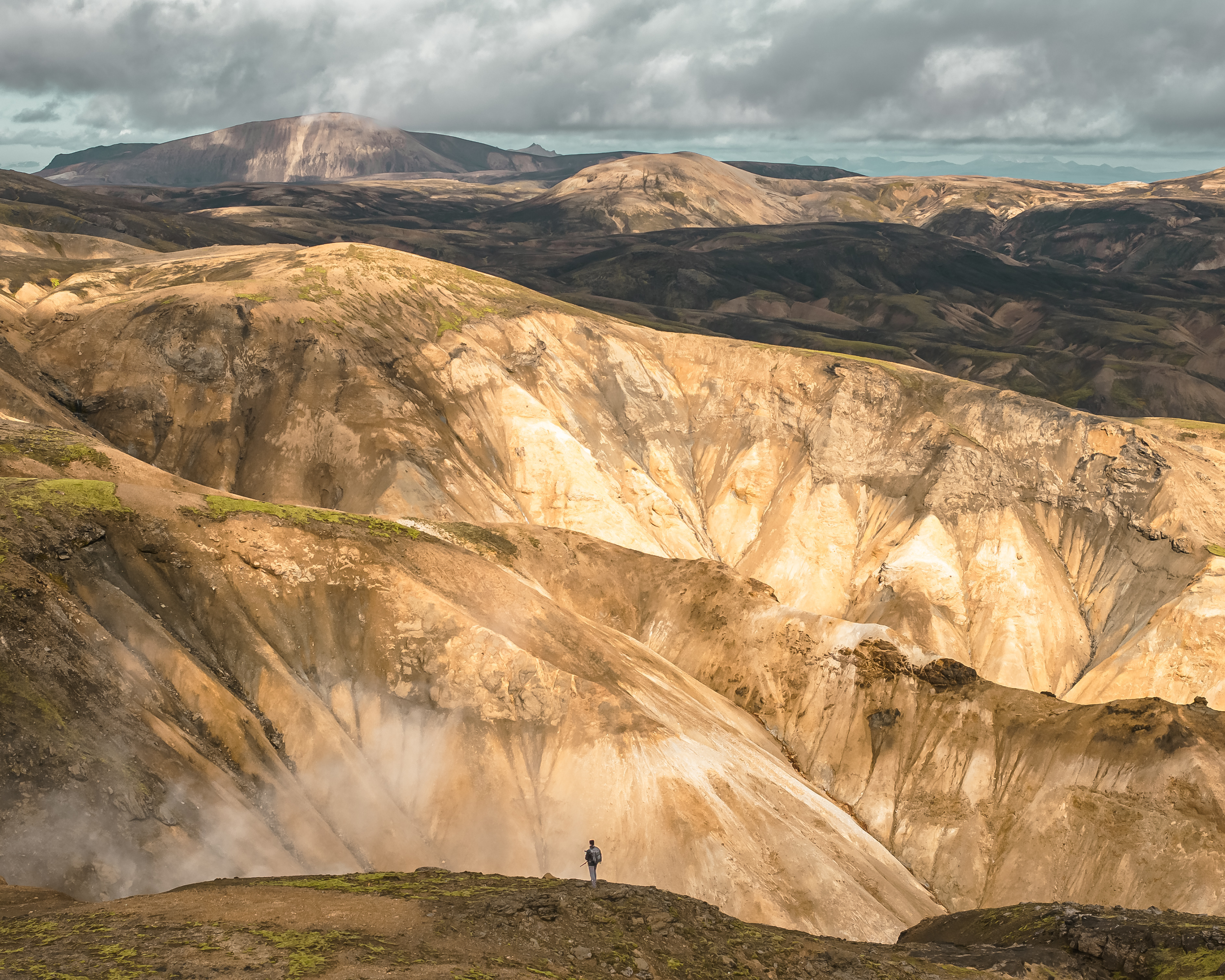
  1. F208 (North) to Landmannalaugar: The most popular "gateway" to the Highlands. Famous for its colorful rhyolite mountains and natural hot springs. The northern approach usually avoids the most significant river crossings.
  2. F26 (Sprengisandur): The ultimate desert crossing. It is the longest and most remote track in Iceland, cutting directly between the Hofsjökull and Vatnajökull glaciers. Requires a high-clearance 4x4 and extra fuel.
  3. F88 (Öskjuleið) to Askja: A challenging route through lunar landscapes and deep volcanic sand. This road requires crossing the Lindaá River, which can be deep and intimidating for standard SUVs.
  4. F249 to Þórsmörk: For experts only. This road involves crossing the Krossá river—one of the most unpredictable glacial rivers in the country. A 35" modified vehicle is strongly recommended here.
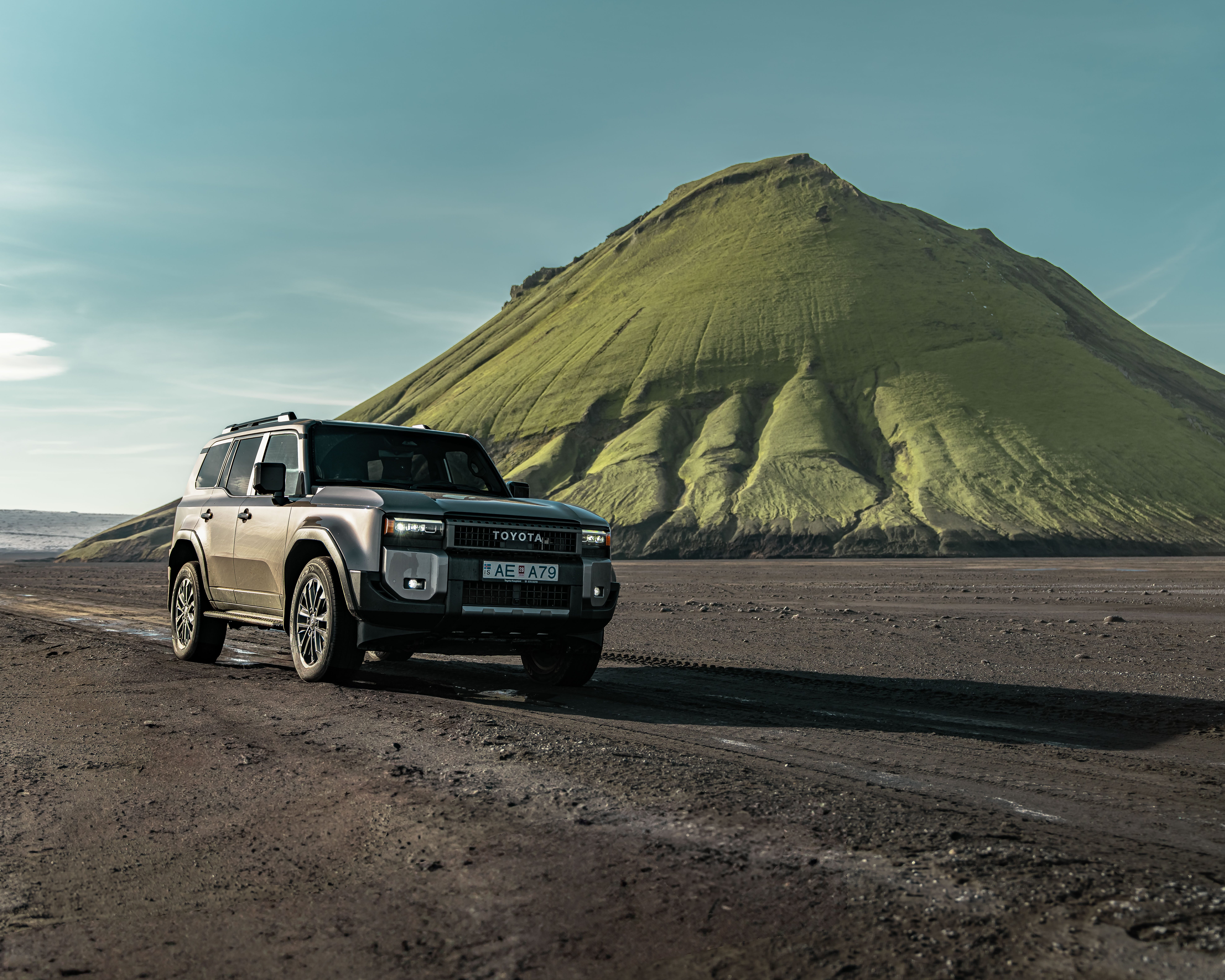
  5. F210 (Fjallabaksleið syðri): This is where you find the iconic Mælifell mountain. The route offers a stunning contrast of neon-green moss against jet-black volcanic sand flats.


The new Toyota Land Cruiser 250 parked in front of the green Mælifell volcano on the F210 mountain road in Iceland.


Highland Safety & Emergency Prep

SafeTravel Iceland is your best friend in the interior. Before leaving, upload your travel plan and check the Highland weather forecast. Because cell service can be spotty, consider satellite communication for remote tracks. In any crisis, the 112 emergency number is your lifeline. Preparation ensures your adventure remains a positive memory.
  • The SafeTravel App: Download the SafeTravel.is app and leave your travel plan. This is the first place Search and Rescue (ICE-SAR) will look if you encounter trouble.
  • Communication: While cell service is surprisingly good in many areas, "dead zones" are common. Consider carrying a PLB (Personal Locator Beacon) or a satellite communicator for remote routes like Sprengisandur.
  • Fuel Strategy: There are no gas stations in the interior. Always enter the Highlands with a full tank and know exactly where your last refueling point is (typically Hella, Gullfoss, or Mývatn).
  • Weather Resilience: Highland weather can shift from bright sunshine to a blinding sandstorm or blizzard in minutes—even in August. Always carry extra warm layers, waterproof gear, and at least 24 hours of extra food.
  • The 112 Emergency Number: In any emergency, call 112. This is the single point of contact for all emergency services in Iceland.


Ready to write your own Highland story?

"The Iceland Highlands don’t forgive mistakes, but they reward the well-prepared. Don't settle for a standard rental when the terrain demands an expert setup. At Off To Iceland, we provide the heavy-duty Land Cruisers and local expertise to ensure your visit to Iceland will be a memorable one"

Check Availability for 2026 – Secure Your SUV Today